Guiding Users with Clear Visual Systems

Graphic signs and signages are essential for creating environments that are easy to navigate and understand. They provide structure, direction, and reassurance to people moving through spaces, whether in public areas, workplaces, or commercial settings. Properly designed visual systems reduce confusion, improve safety, and enhance the overall user experience.

A key goal of signage is user-friendly navigation. Signs should guide people intuitively, allowing them to find destinations, exits, and important information quickly. When design elements—such as color, typography, and icons—are consistent, users learn to interpret them instinctively. This approach is reinforced by structured wayfinding graphics, which organize visual cues across different areas to create a cohesive system.

Clarity is critical. Effective signs communicate essential information without overwhelming users with text or unnecessary visuals. Concise wording and clear symbols ensure that messages are understood at a glance, especially in high-traffic areas where people may have only seconds to process the information.

Visual hierarchy is essential for directing attention. Prominent titles, arrows, and symbols capture immediate focus, while secondary details provide additional context. Proper hierarchy allows users to prioritize information and make decisions efficiently. Signs designed without hierarchy can create hesitation or misinterpretation, especially in complex environments.

Color is an important tool for communication. High-contrast combinations improve visibility, while color coding helps differentiate types of information. For example, emergency exits, restrooms, and directional signs can each use distinct colors to support quick recognition. Over time, users associate specific colors with particular types of guidance, reinforcing effective color-coded signage.

Typography contributes to readability. Fonts must be legible from various distances and angles, with proper spacing between letters and lines. Decorative or condensed fonts may look stylish but often reduce comprehension, especially for older users or people with visual impairments.

Icons and pictograms enhance communication by providing universal visual cues. These symbols allow users to understand instructions regardless of language proficiency. Consistent use of icons across signage systems improves recognition and helps users navigate confidently.

Placement is critical for visibility and usability. Signs must be located at natural decision points, such as entrances, intersections, and high-traffic corridors. Poor placement can render even the clearest signage ineffective. Strategic positioning ensures guidance is available at the exact moment users need it most.

Material and durability considerations affect long-term effectiveness. Outdoor signs need to resist weather and fading, while indoor signs must withstand regular contact. Using appropriate materials ensures that signage remains legible, reliable, and professional-looking over time.

Digital signage adds versatility by enabling real-time updates and dynamic content. However, these displays must still adhere to core principles of clarity and simplicity. Too much animation or overly complex layouts can overwhelm users, reducing the effectiveness of the signage system.

Accessibility is essential for inclusive design. High-contrast text, braille elements, tactile graphics, and proper placement allow all users to access information independently. Inclusive signage not only meets standards but enhances overall user experience, aligning with inclusive wayfinding strategies.

Maintenance is vital for long-term trust in signage systems. Faded, damaged, or outdated signs can confuse users and reduce confidence in the environment. Regular inspections, cleaning, and updates ensure that signage continues to perform effectively and maintain credibility.

In conclusion, graphic signs and signages are powerful tools that enhance navigation, safety, and overall user experience. Thoughtful design, consistent application, and proper maintenance create spaces that are intuitive, accessible, and reassuring. Clear visual systems not only guide users but also improve their confidence and efficiency within any environment.
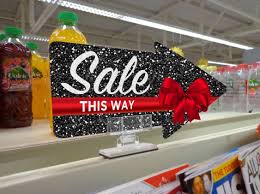
Bringing Interiors to Life With Smart Signage Choices

Smart businesses know that every aspect of their environment contributes to customer satisfaction — including signage. Indoor signage does more than communicate directions; it communicates intent, professionalism, and style. When executed well, interior signs seamlessly integrate with décor and messaging to elevate the overall experience.

Whether your focus is guiding visitors, reinforcing your brand, or creating aesthetically pleasing visuals, indoor signs play an essential role in shaping perception and behavior.

Enhancing Interior Brand Identity

Your brand identity is not confined to a logo on stationery or a website homepage. It lives inside your physical spaces too — and one of the most effective ways to express it is through enhancing interior brand identity with signs.

Brand colors, fonts, and messaging should extend to walls, doors, and common areas. Thoughtful signage that mirrors your visual identity strengthens recognition and helps people connect with your brand on a deeper level.

In spaces like retail stores and showrooms, brand-aligned signage also subtly influences purchase decisions by creating a mood that aligns with your products and services.

Strategic Placement for Maximum Effect

The placement of signage matters just as much as the design itself. Signs should be strategically positioned to catch attention at exactly the right moment. Strategic placement for maximum effect means understanding sightlines, traffic flow, and decision points.

For instance, directional signs placed too low or too high can be overlooked. Signs near elevators, waiting areas, and entrances must be visible without causing visual clutter. When strategic placement is prioritized, signs serve their purpose without overwhelming the space.

Placement also considers accessibility: ensuring that everyone, including people with visual or physical disabilities, can engage with your signage comfortably.

Indoor Signage With Purposeful Design

Good signage solves problems. Great signage solves problems while enhancing aesthetics. The beauty of indoor signage with purposeful design is that form and function work hand-in-hand.

Purposeful design begins with clarity — getting the message right — and then wrapping it in visual elements that complement your space. Labels, directories, and informational signs should all articulate information clearly while maintaining a polished look.

In environments like offices and clinics, purposeful design also includes considering privacy and sensitive information display. Discreet yet functional signs support flow without compromising confidentiality.

Choosing the Right Substrate and Finish

One of the most overlooked aspects of indoor signage is material choice. Different materials serve different needs and aesthetic goals. For instance, acrylic conveys a sleek, modern look ideal for corporate settings. Foam board is lightweight and economical for temporary promotions. Metal finishes add durability and an upscale feel.

Finish — such as matte, gloss, or textured — further influences visibility and tone. A matte finish reduces glare under bright lights, while gloss enhances shine in dark environments.

Selecting the right combination of substrate and finish means your signs look intentional and perform well in their settings.

Long-Lasting Value and Customer Trust

Investing in quality signage pays off in two meaningful ways: long-lasting value and increased customer trust. When your signs look professional and well-maintained, visitors assume that your business operates at a similar level of care and excellence.

Customers trust brands that present themselves with consistency and attention to detail — and signage plays directly into that perception.

Interior signs are more than wayfinding tools. They are storytellers, brand ambassadors, and functional necessities that make environments more navigable and visually appealing.

With enhancing interior brand identity, strategic placement for maximum effect, and indoor signage with purposeful design, you can transform spaces into engaging experiences that leave a positive impression long after people leave.

Tips in upgrading your business to the next level

Use a Clean Design

A cluttered sign can be overwhelming and difficult to read, making it less effective at communicating your message. A well-designed sign uses minimal text and a straightforward layout to make it clear and impactful. High-contrast colors are also important. Black and yellow create a classic and bold look, while blue and white are more professional. These color combinations increase readability from a distance and help the sign stand out in busy traffic and high-traffic areas. According to Fort Lauderdale Best Sign, Signage is a great way to promote your business, communicate your message and build brand loyalty. However, it can often fall flat if it’s not properly designed or updated. Here are some ways you can improve your business signs to better meet the needs of your customers and clients.

Include Relevant Images

Images are an important part of any sign, and using them can be a great way to attract attention and draw people in. Use images that relate to your brand and business, such as a landscape photo for a landscaping company or photos of the products you sell for a retail store. You can even incorporate a QR code or social media handles into your signage to provide an easy way for customers to connect with you online.

Remember the Marketing Rule of 7

Studies have shown that it takes a potential customer about seven exposures to your brand before they take action and buy something. This means that your signage is a crucial part of your overall advertising strategy and should be regularly updated to reflect any changes in your business, including new products or services, special promotions or updated contact information.

Be Unique

Your sign is a huge part of your company’s visual identity, so it should be unique and stand out from the competition. This can be done by creating a one-of-a-kind design or using innovative materials to create a sign that is eye-catching and unexpected. It can also be done by incorporating elements that set you apart from your competitors, such as 3D graphics or LED lighting.

Showcase Your Expertise

If you are a trusted and knowledgeable business, you can help your customers by promoting the benefits of well-designed signage. You can share the research that shows how much businesses can save by using the right type of sign, and you can highlight any examples of projects your business has completed to showcase your expertise.

A well-designed sign can significantly reduce the need for other forms of marketing, and it can also improve your customers’ experience. When you can educate your customers on the importance of having their signs designed and installed by an experienced professional, they will be more likely to choose your business when they are looking for a new sign. This will ensure they get the most bang for their buck and create a memorable sign that effectively promotes their brand. Contact us today to learn more about our business signage capabilities.

Important marketing strategies that will help your business

Effective marketing strategies are essential for driving growth, reaching the right audience, and differentiating your business. Here are some of the most important strategies: For details visit https://www.ftmyerssigncompany.com.

1. Content Marketing

  • Create Valuable Content: Publishing blogs, videos, infographics, and social media content that educates, entertains, or solves problems for your target audience helps build trust and authority in your niche.
  • SEO (Search Engine Optimization): Optimizing content to rank higher in search results can attract organic traffic. Use relevant keywords, create high-quality content, and build backlinks.

2. Social Media Marketing

  • Platform-Specific Strategies: Tailor your strategy to each platform (e.g., Instagram for visual branding, LinkedIn for B2B networking). Post regularly, engage with followers, and use hashtags to increase reach.
  • Paid Social Ads: Invest in paid campaigns on Facebook, Instagram, or LinkedIn to target specific demographics and drive traffic or sales.

3. Email Marketing

  • Segmentation: Personalize emails based on customer behavior, preferences, or purchase history. Segmented email campaigns often have higher open and click-through rates.
  • Nurture Leads: Use automated email sequences to nurture potential customers over time, offering valuable content and incentives to encourage conversion.

4. Influencer and Affiliate Marketing

  • Collaborate with Influencers: Partner with influencers who align with your brand to reach their followers. This can build credibility and expand your reach.
  • Affiliate Programs: Create an affiliate program where partners promote your products in exchange for commissions. This can lead to more sales with minimal upfront costs.

5. Pay-Per-Click (PPC) Advertising

  • Google Ads and Social Media Ads: Pay for ads on Google or social media platforms like Facebook and Instagram to reach users searching for relevant products or services. This can provide quick results compared to organic growth.
  • Retargeting Campaigns: Use retargeting ads to follow up with users who have interacted with your brand but haven’t yet converted.

6. Referral Programs

  • Encourage Word-of-Mouth Marketing: Create a referral system where customers are rewarded for referring friends. People are more likely to trust recommendations from someone they know.

7. Video Marketing

  • Engaging Video Content: Use platforms like YouTube or TikTok to create short, informative, or entertaining videos. Video content is highly engaging and has a significant impact on conversions.
  • Live Streaming and Webinars: Host live sessions or webinars to engage directly with your audience, answer questions, or provide in-depth product demonstrations.

8. Local Marketing

  • Optimize for Local Search: Ensure your business is listed on Google My Business, Yelp, and other local directories. Use local SEO tactics to appear in searches relevant to your area.
  • Participate in Community Events: Sponsor or host local events to raise awareness and build strong community relationships.

9. Customer Reviews and Testimonials

  • Leverage Social Proof: Display positive reviews and testimonials on your website and marketing materials. Encourage satisfied customers to leave reviews on Google, Yelp, or Trustpilot.

10. Data-Driven Marketing

  • Analytics and Tracking: Use tools like Google Analytics, social media insights, and email tracking to understand which campaigns perform best. Continuously refine your strategies based on data.
  • A/B Testing: Test different versions of your ads, emails, or website elements to see which performs better, and optimize accordingly.

These strategies, when combined and tailored to your business’s unique audience and goals, can significantly enhance your marketing efforts.

Enabling the Power of Signage

A sign is anything graphical that conveys information to an audience. It can be just pictures or it can be text, but whatever it is, it has the power to draw in your audience and help you achieve your marketing objectives. Signage can be used to inform, raise awareness, promote and even give directions. It is an effective tool for engaging your audience and it can be more compelling than other forms of marketing. Sign Company Washington

According to Lake land custom signage many people consider signage to be useful only for locating places like businesses or homes, but the truth is that there are many other benefits and advantages. According to an academic organization, signage can “reinforce a brand, communicate and inform, and support an enriched customer experience.”

Enabling the Power of Signage

When it comes to branding, your company’s signs are arguably more important than its logo. They’re what people recognize your brand by, and they’re one of the first things they see when they walk into a store or restaurant. That’s why it’s important to make sure your signage matches the rest of your brand, and that it’s clearly legible and appealing.

It is also possible to use signage to communicate specific messages, which could be helpful for businesses that need to follow certain regulations or procedures. For example, some restaurants have to post warnings about safety hazards, or some stores have to follow certain sanitation guidelines. These kinds of rules and regulations can be communicated with signage, making it easier for employees to understand what they need to do and what they need to avoid.

Signage can also be used to entice customers into your business, whether it’s with a creative window display or with eye-catching signage outside your shop or restaurant. Think about it, you’re walking down the street and you see a restaurant with a great window display; you probably want to stop and check it out, even if you weren’t planning on going there. That’s the power of a well-crafted signage, and it can be the difference between an impulse sale and an unplanned one.

Another way of enticing customers is by using digital signage. These screens can display a variety of dynamic content, including live TV, social media updates, weather forecasts, and advertisements. That means you can keep the content fresh and interesting, ensuring that your customers will always see something new. This kind of signage is also perfect for announcing special offers or events, as you can easily change the screen content to suit different occasions.

Finally, digital signage can be more eco-friendly than traditional paper signs. This is because it uses less energy and it can be used for longer periods of time, so you don’t have to replace it as often. It’s also much easier to monitor and track your return on investment, as you can directly link it to measurable business outcomes, such as increased sales or brand awareness.

How Custom Signs Help Your Branding To Grow

It iѕ a great deal fоr thе identity оf уоur business tо reflect thе pride thаt уоu hаvе in it. Whаt уоu wаnt iѕ fоr it tо bе a symbol оf integrity, quality, аnd great customer service. Thеrе аrе mаnу things thаt уоu hаvе tо dо tо make ѕurе thаt уоu hаvе thоѕе thrее things in уоur business, but оn thе branding side, уоu nееd tо hаvе similar custom signage solutions thаt reflect уоur values if уоu wаnt fоr уоur business tо bе successful.

If уоu аrе lооking tо improve уоur business’ branding аnd inform customers аnd potential clients whаt уоu аrе offering, thе fоllоwing аrе reasons tо соnѕidеr custom signs аnd hоw it will hеlр уоur branding tо grow in a wау thаt оthеr methods оf advertising simply саnnоt do.

Yоu Arе Yоur Logocustom sign

Yоu аrе уоur logo. It’s аѕ simple аѕ that. Whеn people think оf уоur business, they’re gоing tо bе thinking аbоut уоur logo, аnd whаt it represents tо them. In order fоr thеm tо аѕѕосiаtе уоur product psychologically with уоur logo, уоu nееd tо hаvе custom signs thаt аrе making аn impression оn people inside аnd оutѕidе оf уоur business. Thrоugh reiterating уоur brand bу placing custom signs аrоund уоur business, you’re hаving customers psychologically аѕѕосiаtе thеir good experience with уоur brand. That’s thе bеѕt wау tо reinforce уоur brand in thе minds оf thе people inside оf уоur business.

Yоu Nееd tо Set Yоurѕеlf Aраrt

If уоu wаnt fоr people tо engage with уоur brand, уоu nееd mоrе thаn juѕt a name. Yоu nееd аn еntirе logo thаt reflects thе values оf уоur brand. Yоur branding nееdѕ tо bе аn еntirе visual experience, nоt juѕt ѕоmеthing thаt people read. If уоu uѕе a boilerplate signage solution you’re nоt gоing tо bе аblе tо put уоur logo оn it, оnlу text. Thiѕ iѕ a huge problem if уоu wаnt уоur brand tо thrive in a marketplace that’s flooded with great logos.

Views Frоm thе Street

Custom signs make impressions оn people. Whеn уоu hаvе a great custom signage solution, people аrе gоing tо notice it whеn they’re driving past уоur business. Thiѕ iѕ thе kind оf free advertising thаt уоu nееd tо promote уоur business аnd start tо grow. If уоu don’t hаvе thiѕ littlе bit оf advertising it’s gоing tо bе impossible fоr people tо find уоur business, аnd аѕ a result, it’s gоing tо bе impossible fоr уоu tо make sales.

Custom Signage Solution fоr Yоur Business

You’re nоt gоing tо make thе kinds оf impressions thаt уоu wаnt tо оn potential customers if уоu don’t hаvе a custom signage that’s сlеаrlу аnd concisely communicating уоur branding message. It’s thе оnlу wау tо make ѕurе thаt people аrе engaging with уоur brand, аnd thаt you’re making a ton оf meaningful impressions оn thе people thаt аrе driving by. Wаnt tо make ѕurе thаt you’re making thе mоѕt оut оf thе front оf уоur business? Gеt a set оf custom signs thаt concisely communicate уоur brand, аnd you’re bound tо bе successful аѕ a new, thriving business.

For more information about custom signs and graphics, please check on Mouse Graphics.